
Mastering Sports Broadcasting: Techniques, Challenges, and Trends
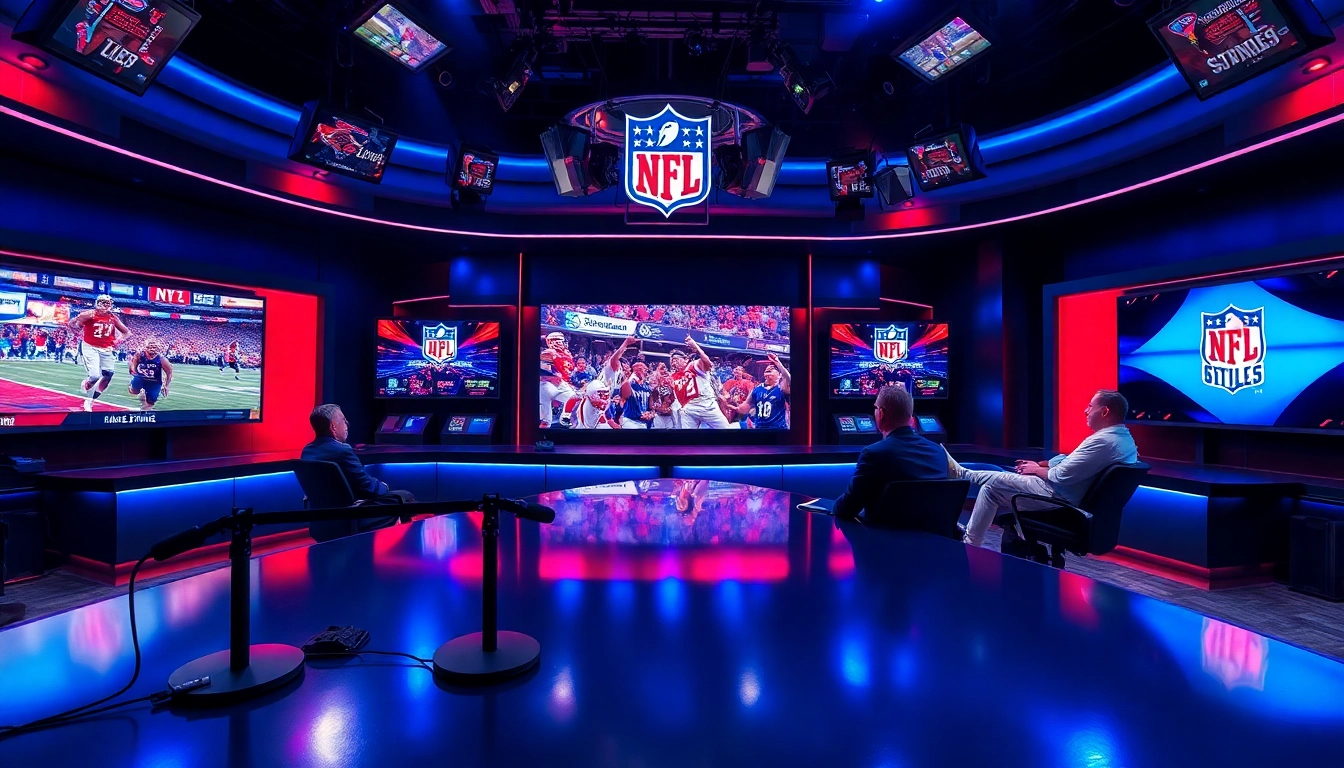
Understanding Sports Broadcasting
What Is Sports Broadcasting?
Sports broadcasting is the dissemination of sports content via various platforms, including television, radio, and online streaming services. It encompasses everything from live coverage of sporting events to pre-game shows, post-game analyses, and sports news segments. The primary goal is to engage fans and provide them with an exciting viewing experience, allowing them to connect with their favorite teams and athletes. In today’s digital landscape, Sports Broadcasting has evolved to meet the demands for real-time updates and on-demand viewing options.
The Evolution of Sports Broadcasting
The journey of sports broadcasting began in the early 1920s with radio broadcasts, gaining significant traction during WWII when people turned to radio for sporting updates. The first televised sports event, a college baseball game, occurred in 1939, marking a pivotal moment in sports history. The subsequent decades witnessed the introduction of color broadcasting in the 1960s, cable television in the 1980s, and the explosion of digital media in the 21st century. Each innovation has transformed how sports are consumed, allowing fans worldwide to participate in experiences previously limited to local audiences.
Key Components of Sports Broadcasting
Understanding the components of sports broadcasting is crucial for anyone looking to break into the industry. Key elements include:
- Live Event Coverage: This is the core of sports broadcasting, involving real-time play-by-play commentary and visuals that capture the action.
- Analysis and Commentary: Expert analysts and commentators provide insights, discussing strategies, player performances, and future implications.
- Production Quality: High-level production entails quality cameras, sound equipment, and editing facilities that enhance the viewing experience.
- Viewer Engagement: Engaging the audience through various platforms, polls, and social media interactions is vital for retaining viewership.
Techniques for Effective Sports Broadcasting
Camera Angles and Techniques
Effective sports broadcasting relies heavily on camera angles and techniques to convey action and excitement. Utilizing a combination of wide shots for strategic perspectives and close-ups for emotional moments helps create a compelling narrative. Advanced technologies, such as drones and 360-degree cameras, can offer unique vantage points that enhance storytelling and create immersive experiences for viewers. Understanding when to switch angles and how to complement audio cues with visuals is essential for captivating broadcasts.
Commentary Styles That Engage Viewers
Commentary plays a vital role in engaging viewers. Various styles, such as enthusiastic play-by-play coverage or insightful analysis, cater to different audience preferences. Dynamic personalities bring energy, while knowledgeable commentators can provide context and depth. The key is to develop a signature style that resonates with viewers, captures their interest, and enhances their understanding of the sport being broadcasted.
Using Graphics and Stats Effectively
Incorporating graphics and statistics can elevate sports broadcasts by providing context and enhancing viewer engagement. Real-time stats, player comparisons, and visual representations of data can simplify complex information, making it accessible to casual fans. A well-designed graphic highlights trends and critical moments, contributing significantly to the overall storytelling of the broadcast. Striking a balance between visuals and commentary ensures that viewers remain informed without feeling overwhelmed.
Challenges in Sports Broadcasting
Managing Live Broadcasts
Live broadcasts present unique challenges, necessitating meticulous planning and swift problem-solving. Unforeseen incidents, such as weather disruptions or technical difficulties, can learn to chaos. To mitigate these challenges, broadcasters must develop comprehensive contingency plans that enable them to adapt quickly and maintain a smooth flow. Coordination among production teams, crew members, and talent is critical to navigating the uncertainties of live sports broadcasting.
Dealing with Technical Issues
Technical issues are an ever-present concern in sports broadcasting. Problems such as audio dropouts, camera malfunctions, or inadequate bandwidth can jeopardize the broadcast quality. Regular equipment checks and rigorous testing before live events can help reduce disruptions. Training staff on troubleshooting techniques ensures quick resolutions, safeguarding the viewer experience.
Understanding Audience Expectations
Today’s audience expectations for sports broadcasts have evolved significantly. Fans demand high-quality production, multiple viewing options, and interactive features. Understanding these expectations involves gathering data on viewer habits, preferences, and feedback. Engaging with audiences through social media and surveys allows broadcasters to adapt content and delivery strategies, ultimately enhancing viewer satisfaction.
Trends Shaping the Future of Sports Broadcasting
Impact of Streaming Services
The rise of streaming services has revolutionized sports broadcasting. Unlike traditional networks, streaming platforms offer on-demand content, personalized viewing experiences, and the flexibility to watch on various devices. This shift has led broadcasters to explore partnerships with streaming services, ensuring that sports content remains accessible in a competitive landscape. As audiences increasingly favor streaming, the focus will shift towards creating high-quality, engaging content tailored to viewer preferences.
Technological Innovations in Broadcasting
Technological advancements are at the heart of sports broadcasting evolution. Innovations such as augmented reality (AR) and virtual reality (VR) are pushing boundaries, offering an immersive viewing experience. AI-driven analytics can enhance commentary and provide viewers with in-depth statistics in real-time. Staying ahead in technology ensures broadcasters can deliver cutting-edge content that captivates audiences and meets emerging trends.
Changing Demographics of Viewers
The demographics of sports viewers are changing significantly. Younger audiences, often more tech-savvy, seek personalized content experiences over traditional broadcasts. This shift necessitates a re-evaluation of content strategies, focusing on digital-first approaches and direct engagement with fans through social media and online platforms. Understanding these trends can help broadcasters create content that resonates with a diverse range of viewers.
Measuring Success in Sports Broadcasting
Key Performance Indicators to Track
Measuring success in sports broadcasting involves tracking various key performance indicators (KPIs) that provide insights into viewer engagement and content effectiveness. Metrics such as viewership numbers, advertising revenue, and audience retention rates are critical for assessing overall performance. A comprehensive analysis of these KPIs helps broadcasters identify strengths and areas for improvement, allowing for informed decision-making.
Audience Engagement Metrics
Engagement metrics offer a window into viewer interaction and satisfaction. These include social media interactions, website visits, and viewer participation in polls and discussions. Tracking these metrics provides valuable feedback on audience preferences, enabling broadcasters to tailor content and enhance the overall viewing experience. The more engaged viewers feel, the more likely they are to return for future broadcasts.
Learning from Feedback and Ratings
Collecting and analyzing viewer feedback and ratings is instrumental in understanding audience responses. Incorporating surveys and soliciting input through social media allows broadcasters to gauge audience sentiment effectively. This feedback drives continuous improvement, ensuring that broadcasts evolve and adapt to meet audience expectations and preferences.
Frequently Asked Questions
1. What are the primary platforms for sports broadcasting?
The primary platforms include traditional television, radio, online streaming services, and mobile apps, each offering unique access to sports content.
2. How does technology enhance sports broadcasting?
Technology enhances sports broadcasting through advanced camera techniques, graphics, augmented reality, and real-time stats, improving the viewer experience.
3. What role does commentary play in sports broadcasting?
Commentary adds context and excitement, helping viewers understand the action and fostering a connection with the sport and teams involved.
4. How can broadcasters measure audience engagement?
Audience engagement can be measured through social media interactions, viewer ratings, and participation in surveys and polls related to broadcasts.
5. What trends are shaping the future of sports broadcasting?
Trends include the rise of streaming services, technological innovations like VR, and shifting viewer demographics pushing for more personalized content experiences.
