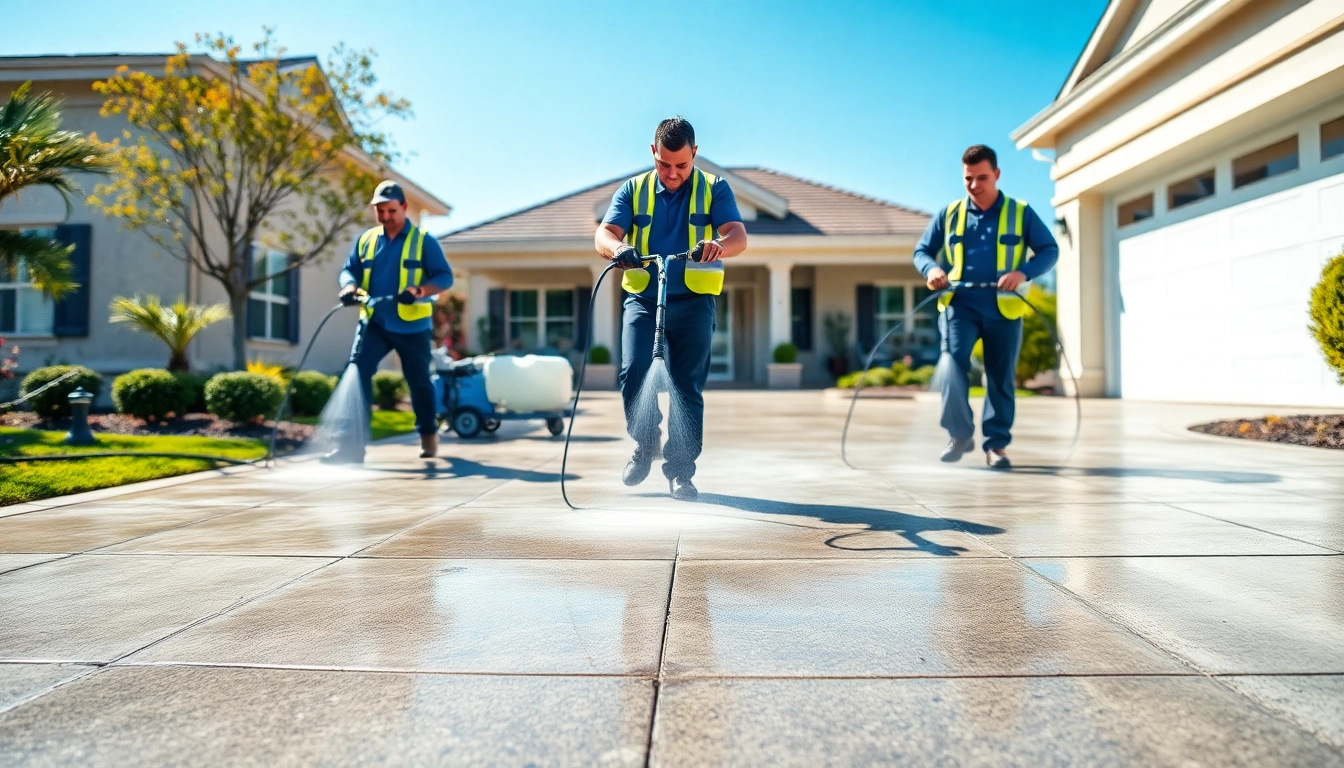
Understanding Concrete Cleaning
Concrete surfaces are ubiquitous in our daily environments, found in everything from driveways and sidewalks to commercial properties and industrial sites. Maintaining these surfaces is crucial not only for aesthetic purposes but also for safety and longevity. This article delves into the intricacies of concrete cleaning, offering insights into techniques, equipment, and maintenance practices that will ensure your concrete remains in pristine condition.
What is Concrete Cleaning?
Concrete cleaning involves the removal of dirt, grime, stains, and debris from concrete surfaces using a combination of mechanical and chemical methods. Effective cleaning restores the surface's original appearance while preventing deterioration caused by environmental factors. Techniques range from straightforward pressure washing to more specialized chemical treatments, each chosen based on the specific type and extent of the contamination.
Importance of Maintaining Concrete Surfaces
Regular maintenance of concrete surfaces prevents issues such as:
- Mold and Mildew Growth: These can pose health risks and lead to slip hazards.
- Staining: Oil, rust, and food stains can become permanent if not addressed promptly.
- Deterioration: Dirt and contaminants can wear down concrete over time, leading to costly repairs.
By understanding the need for maintenance, property owners can protect their investments and maintain a safe environment.
Common Challenges in Concrete Cleaning
Concrete cleaning presents several challenges, including:
- Stubborn Stains: Oil and grease are notoriously hard to remove and require specific cleaning solutions.
- Surface Damage: Improper techniques can erode the concrete surface, causing lasting damage.
- Environmental Concerns: The use of harsh chemicals can harm the ecosystem if not managed correctly.
Recognizing these challenges can help property owners choose the correct methods and equipment for effective cleaning.
Techniques and Equipment for Effective Concrete Cleaning
Pressure Washing vs. Chemical Cleaning
Both pressure washing and chemical cleaning have their merits. Pressure washing uses high-powered jets of water to remove dirt and grime, making it a quick and efficient option for large areas. However, it may not be suitable for every type of stain. In these cases, chemical cleaning agents, which break down contaminants at a molecular level, can be employed. A combination of both methods often yields the best results, particularly for heavily soiled areas.
Best Equipment for Concrete Cleaning
The choice of equipment is crucial for the effectiveness of concrete cleaning. Essential tools include:
- Pressure Washers: Ideal for removing dirt and stains quickly.
- Surface Cleaners: Attachments for pressure washers that ensure an even clean.
- Industrial-Grade Detergents: Designed specifically for concrete, these can penetrate deeply to break down grime.
- Water Reclamation Systems: Essential in commercial settings to ensure environmental compliance.
Using the right equipment can significantly enhance cleaning efficiency and effectiveness.
Eco-Friendly Cleaning Solutions
In today's environmentally conscious society, using eco-friendly cleaning solutions is more important than ever. Options such as biodegradable detergents and natural solvents can achieve impressive results without harming the environment. Many of these products effectively target oil and grease stains while being safe for plants and animals. Choosing eco-friendly solutions reflects a commitment to sustainability.
Step-by-Step Guide to Concrete Cleaning
Preparing the Area for Cleaning
Before embarking on a concrete cleaning project, it's vital to prepare the area adequately. Steps include:
- Clearing Debris: Remove furniture, planters, and any loose items from the surface.
- Identifying Stains: Determine the nature of stains to choose the right cleaning method.
- Sealing Nearby Areas: Protect surrounding gardens and outdoor accessories from chemicals and debris.
Correct preparation can make the cleaning process smoother and more effective.
Choosing the Right Method
After preparation, selecting the right cleaning method based on the surface condition is essential. For general cleaning, pressure washing is often sufficient. However, for stained surfaces, such as those affected by oil or rust, chemical interventions may be necessary. In some cases, a combination of both methods yields optimal results.
Post-Cleaning Maintenance Tips
Once cleaning is complete, maintaining the cleanliness of the concrete surface is crucial. Recommended practices include:
- Regular Inspections: Check for signs of stains or deterioration periodically.
- Prompt Cleanup: Address spills immediately to prevent staining.
- Sealing the Surface: Consider applying a concrete sealant to help repel water and prevent staining.
Implementing these upkeep routines will help maintain the appearance and integrity of concrete surfaces for years to come.
Cost Considerations for Concrete Cleaning
Average Costs for Professional Services
The cost of professional concrete cleaning varies based on factors like location, property size, and the extent of cleaning required. On average, homeowners can expect to pay between $1 and $3 per square foot for professional services, depending on the specific conditions and requirements of their project.
DIY Cleaning: Cost vs. Benefit Analysis
While tackling concrete cleaning as a DIY project may seem cost-effective, it's essential to weigh the potential benefits against the costs involved in equipment rental, cleaning supplies, and the time required. Professional services not only save time but also ensure a higher quality of cleaning and longevity of results.
Factors Affecting Pricing
Several factors influence the pricing of concrete cleaning services:
- Size of the Area: Larger areas take more time and resources to clean.
- Type of Stains: Heavily stained areas may require more specialized and expensive treatment.
- Accessibility: Difficult-to-reach locations may incur higher labor costs.
Understanding these factors can help property owners budget effectively for cleaning projects.
Future Trends in Concrete Cleaning
Advancements in Cleaning Technology
The concrete cleaning industry is constantly evolving, with new technologies emerging to improve cleaning efficiency and effectiveness. Innovations in pressure washing equipment, such as machines that can automatically adjust pressure levels based on surface conditions, enhance cleaning results while reducing the risk of damage.
Emerging Eco-Friendly Practices
As sustainability becomes more critical, the trend towards eco-friendly cleaning practices is set to grow. New biodegradable cleaning agents that are as effective as their chemical counterparts are gaining traction, reflecting an industry shift towards greener solutions.
Predictions for the Industry in 2025
By 2025, the concrete cleaning industry is expected to embrace even more automation and eco-friendly practices. Technologies such as robotic cleaners and smart pressure washers may revolutionize how we approach concrete maintenance. Consequently, property owners will enjoy not only improved cleaning results but also peace of mind regarding environmental impacts.