
How Safe Is pg soft? A Security Deep Dive into Italian Dining
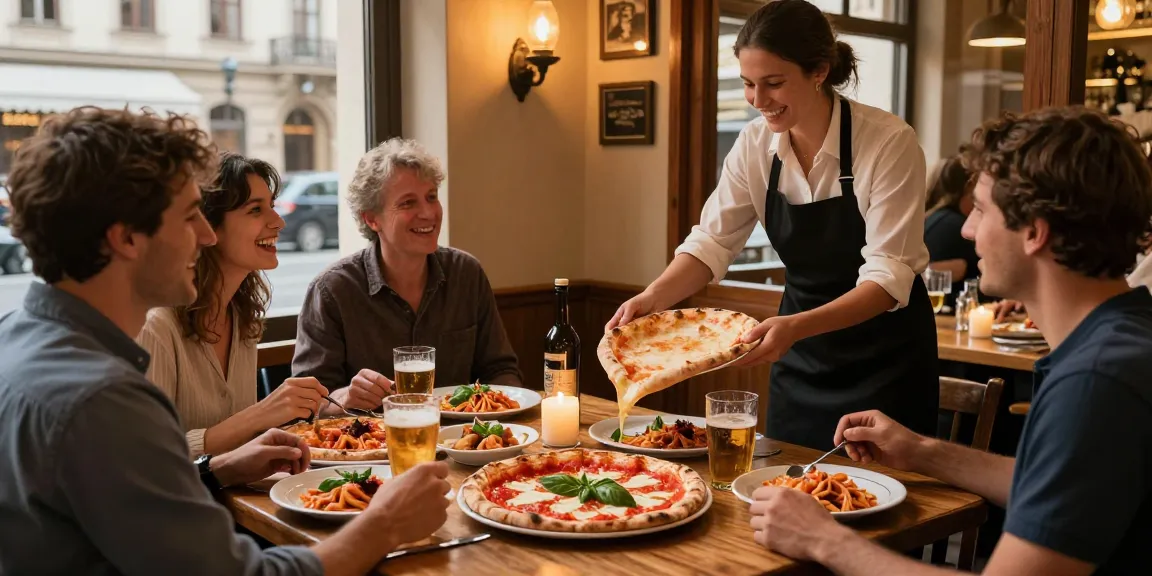
Understanding pg soft and Its Role in Restaurant Security
In a digital age where dining experiences are enhanced by technology, ensuring the security of both customer data and restaurant operations has become paramount. The concept of pg soft emerges as a crucial element for pizzerias and restaurants looking to safeguard their information systems while enhancing guest experiences. This approach encompasses various strategies and technologies that help mitigate security risks, allowing restaurateurs to focus on what they do best—providing exceptional food and service.
What Is pg soft in the Food Industry?
pg soft refers to a suite of security measures, protocols, and technologies specifically designed to protect restaurants and their patrons in an increasingly interconnected environment. This includes safeguarding sensitive data from unauthorized access, enhancing transaction security, and ensuring that operational processes are resilient against cyber threats. In the food industry, where consumer trust is essential, implementing pg soft helps to build robust defenses against potential breaches that could compromise customer information and tarnish a restaurant’s reputation.
How pg soft Enhances Guest Experiences
By adopting pg soft practices, pizzerias can provide a smoother, more secure dining experience for their guests. This can involve everything from secure payment processing systems that protect credit card information to utilizing reservation systems that ensure customers‘ personal details are kept safe. The peace of mind provided by these security measures positively influences customer perceptions, encouraging loyalty and repeat visits.
Key Security Vulnerabilities in Pizzerias
Despite the best intentions, many pizzerias face significant security challenges. Common vulnerabilities include outdated software systems, unencrypted data transmission, and inadequate staff training on security protocols. Cybercriminals often exploit weak links, such as point-of-sale systems that lack proper security updates or Wi-Fi networks that are easily accessible without sufficient security measures. Understanding these vulnerabilities is the first step in effectively implementing pg soft strategies.
Best Practices for Implementing pg soft in Your Restaurant
Steps to Train Staff on Security Procedures
Employee education is a critical component of pg soft. Staff members should receive comprehensive training on how to recognize and respond to potential security threats. Regular workshops and updates on the latest security practices can also ensure that employees remain vigilant. Additionally, creating a culture of security awareness within the restaurant can empower staff to take an active role in safeguarding customer information.
Utilizing Technology for Enhanced Security
Integrating advanced technologies is vital for bolstering security in pizzerias. This includes adopting point-of-sale systems with built-in security features, implementing encryption for data transfer, and utilizing firewalls to protect the restaurant’s network. Beyond hardware, software solutions like intrusion detection systems and regular security audits can significantly reduce vulnerabilities.
Monitoring and Improving Security Protocols
Continuous monitoring is essential to maintain a secure restaurant environment. By regularly reviewing security protocols and assessing their effectiveness, pizzerias can adapt to new threats as they arise. Conducting vulnerability assessments and penetration testing can help identify weaknesses before they are exploited, ensuring that security measures remain effective over time.
Real-World Examples of pg soft in Action
Case Studies of Successful Implementations
Examining successful implementations of pg soft in the restaurant industry highlights the tangible benefits of proactive security measures. For instance, a well-known pizzeria chain recently integrated advanced encryption protocols across its online ordering system, resulting in a significant decrease in data breaches and increased consumer confidence. This transition not only protected customer information but also enhanced their overall dining experience, leading to a spike in repeat business.
Learning from Security Breaches
Learning from past security breaches can guide pizzerias in refining their own security strategies. Notable incidents, such as the data breach experienced by a major Italian restaurant chain, revealed critical gaps in their security infrastructure. By analyzing these events, other establishments can recognize the importance of stringent security measures and avoid similar pitfalls.
Impact of pg soft on Customer Trust
Implementing pg soft frameworks significantly impacts customer trust—a cornerstone of success in the restaurant industry. Customers today are more aware of data security issues and increasingly prefer businesses that take proactive steps to protect their information. Transparent communication about how a pizzeria secures customer data can enhance trust and foster loyalty among patrons.
Future Trends in pg soft for the Restaurant Industry
Predictions for 2026 and Beyond
As technology continues to evolve, the future of pg soft in the restaurant industry will likely see significant advancements. It is anticipated that artificial intelligence will play a crucial role in threat detection, offering real-time analysis and rapid response capabilities. Additionally, the rise of biometric authentication methods may redefine how customers interact with restaurant systems, enhancing both security and convenience.
Emerging Technologies and Their Implications
Emerging technologies, such as blockchain, could revolutionize data security and transparency in the restaurant industry. By providing an immutable record of transactions, blockchain may eliminate many current vulnerabilities associated with data manipulation. Furthermore, integrating Internet of Things (IoT) devices into restaurant operations could streamline processes while also presenting new security challenges that will require innovative solutions.
Adapting to Changing Consumer Behavior
With the rise in e-commerce and mobile dining solutions, consumer behavior is shifting rapidly. Pizzerias will need to adapt their pg soft strategies to keep up with these changes, prioritizing mobile security and ensuring that online platforms are fortified against potential breaches. Establishments that stay ahead of these trends will not only protect their customers but also gain competitive advantages in the marketplace.
Frequently Asked Questions about pg soft
What are the best tools for implementing pg soft?
Several tools can assist pizzerias in implementing pg soft effectively. These include advanced encryption software, comprehensive security suites, and user-friendly point-of-sale systems that incorporate security features. Regular training and updates on these tools can optimize their effectiveness as well.
How can customers ensure their data is safe?
Customers can take proactive steps to ensure their data is safe by choosing restaurants that emphasize data security. They should also use secure payment methods and be cautious about sharing personal information. Diners can inquire about a restaurant’s security measures to gauge their commitment to protecting customer data.
What common misconceptions exist about pg soft?
One common misconception is that pg soft is only relevant for large chain restaurants. In reality, all dining establishments, regardless of size, face potential security threats. Additionally, some may believe that implementing pg soft is prohibitively expensive, but many affordable solutions exist that can significantly enhance security.
How does pg soft affect overall restaurant management?
Integrating pg soft can streamline restaurant management by reducing the risk of data breaches that can disrupt operations. A more secure environment fosters a focus on customer service and satisfaction, ultimately contributing to the restaurant’s bottom line.
What are the legal implications of pg soft?
Failure to protect customer data can lead to legal repercussions, including fines and lawsuits. Restaurants must stay informed about data protection laws and regulations to ensure compliance and avoid hefty penalties.
